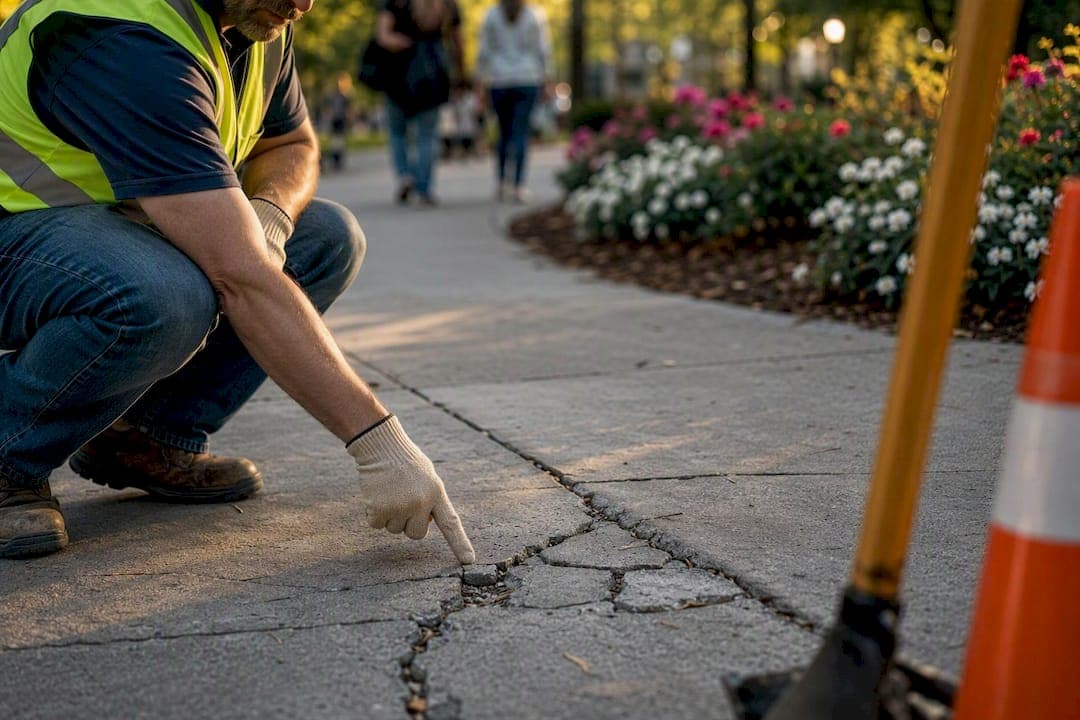
Yes, you can hold a California property owner liable for an injury on their property when negligence caused it. Premises liability under California law means an owner, tenant, or manager who controls a property owes visitors a duty of ordinary care, and fails to meet it. Under CACI No. 1000, you must prove four things:
- The defendant owned, leased, occupied, or controlled the property
- The defendant was negligent in how they used or maintained it
- You were harmed
- The defendant's negligence was a substantial factor in causing that harm
Two deadlines matter more than anything else. You have two years from the injury to sue a private property owner. Claims against a government entity require a formal administrative claim within six months, long before any lawsuit gets filed. Get medical treatment first, then photograph the scene before anyone cleans it up or repairs it.
Key Takeaways
Premises liability California claims succeed when you prove control, negligence, causation, and harm, and you preserve notice evidence before it disappears.
| Point | Details |
|---|---|
| Four elements required | You must prove ownership or control, negligence, causation, and actual harm under CACI No. 1000. |
| Two deadlines apply | Private claims allow two years to file; government claims require an administrative filing within six months. |
| Notice usually decides the case | Actual or constructive notice, often proven through inspection logs, determines most outcomes. |
| Fault reduces, rarely eliminates | Pure comparative negligence cuts your award by your fault percentage unless you're found 100 percent responsible. |
| Legalleads speeds up matching | A two-minute case brief connects you to a California attorney within 24 hours, preserving evidence windows. |
Table of Contents
- What Are the Elements of a Premises Liability Claim in California?
- Who Can Be Sued: Owners, Tenants, Managers, and Contractors
- How Do You Prove Notice in a California Premises Liability Case?
- What Damages Can You Recover, and How Does Fault Reduce Them?
- Special Rules That Change the Playbook
- What Should You Do Right After a Premises Injury?
- How Legalleads Speeds Up Attorney Intake for Premises Cases
- Why Waiting Costs More Than It Saves
- Get Matched With a California Premises Liability Attorney Fast
- Sources
- FAQ
What Are the Elements of a Premises Liability Claim in California?
Every premises liability California case rests on four building blocks, and skipping any one of them sinks the claim.
- Duty of care. California imposes a general duty of ordinary care on anyone who owns, leases, or controls property, codified in Civil Code §1714. This statute traces back to Rowland v. Christian, the California Supreme Court decision that scrapped the old system of separate duties for invitees, licensees, and trespassers. Before Rowland, a social guest and a paying customer got different levels of protection. Now the standard is simpler: did the property owner act reasonably given the circumstances?
- Breach. A breach happens when an owner fails to inspect, fails to repair a known hazard, or fails to warn visitors about a danger they should have caught. A grocery store that lets a spill sit for forty minutes without a warning cone has likely breached its duty. A landlord who ignores three complaints about a broken stair rail has too.
- Causation. California courts use the "substantial factor" test, not a strict but-for standard. The hazard doesn't need to be the sole cause of your injury, only a substantial contributor. This also opens the door to the eggshell-plaintiff rule: if you had a pre-existing condition that made a minor fall catastrophic, the defendant is still liable for the full extent of harm, not just what an average person would have suffered.
- Damages. You need actual harm, whether that's a broken wrist, a herniated disc, or worse.
Pro Tip: Write down the exact time you noticed the hazard and how long it appeared to have been there. That single detail often becomes the fulcrum of the entire notice argument later.
Who Can Be Sued: Owners, Tenants, Managers, and Contractors
Control matters more than the name on the deed. California premises liability law lets you sue whoever had the power to fix the hazard, whether or not they hold title.
A landlord who leases out a strip mall but retains responsibility for parking lot maintenance can be liable for a pothole injury, even though a tenant runs the store. A property management company hired to handle repairs can be named directly if it dropped the ball on a work order. Commercial tenants sometimes assume liability for common areas under their lease, which shifts the target defendant entirely.
The nondelegable duty doctrine closes a common loophole. If an owner hires an outside contractor to fix a broken elevator and the contractor botches the repair, the owner often remains liable anyway. Courts reason that certain safety obligations, like keeping premises reasonably safe, can't simply be handed off and forgotten.
Before you settle on a target, look for:
- Lease agreements spelling out who maintains common areas
- Property management contracts defining repair responsibilities
- Maintenance and inspection logs showing who actually did the work
- Insurance certificates naming additional insureds, which often reveal who a property owner considered responsible
Multiple defendants are common in these cases. A tenant, a landlord, and a maintenance contractor might all share liability for the same fall.
How Do You Prove Notice in a California Premises Liability Case?
Notice is usually the single hardest element to prove, and often the one that decides the case. CACI No. 1011 requires you to show the property owner either knew about the dangerous condition or should have known through reasonable inspection.
Actual notice means the owner had direct knowledge, a prior complaint, an incident report, or a work order already filed for the same hazard. Constructive notice is trickier: it asks whether the condition existed long enough that a reasonably careful inspection would have caught it. This is where Ortega v. Kmart became a landmark case. The California Supreme Court held that a plaintiff doesn't need direct proof of how long a spill sat on the floor; circumstantial evidence, like the absence of any inspection log for that period, can support an inference of constructive notice.
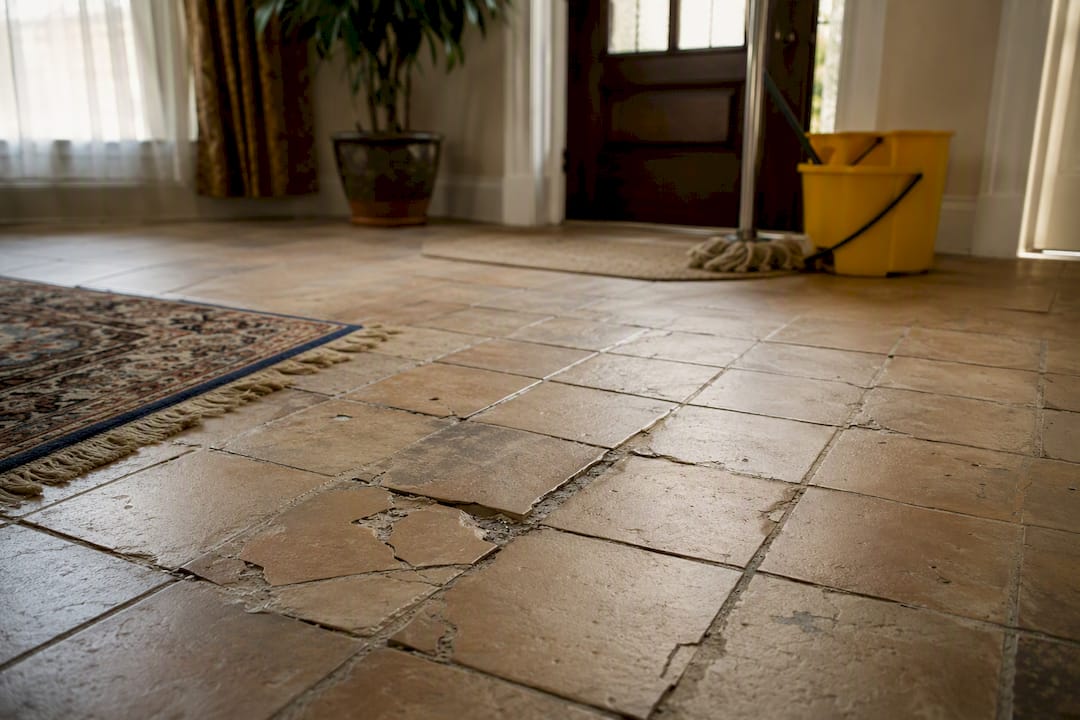
That's why maintenance and inspection schedules carry so much weight. A store with a documented practice of walking the floor every 30 minutes has a stronger defense than one with no record at all, and the reverse is true for plaintiffs. Gaps in a maintenance log can become your strongest piece of evidence.
Build your case with this priority order:
- Photographs and video of the hazard, taken before anything changes
- Names and phone numbers of any witnesses, collected on the spot
- A copy of the incident report, requested before you leave
- Medical records documenting treatment tied to the date of injury
- A written evidence-preservation letter sent to the property owner or their insurer
- A formal request for surveillance footage, sent immediately
Surveillance footage is often overwritten within 30 to 90 days, so the preservation letter needs to go out fast, not after you've hired an attorney weeks later.
What Damages Can You Recover, and How Does Fault Reduce Them?
California premises injury claims allow recovery for both economic and non-economic losses, and comparative fault trims the total rather than blocking it outright.
Economic damages cover:
- Medical bills, past and future
- Lost wages and diminished earning capacity
- Cost of future medical care or rehabilitation
- Property damage tied to the incident
Non-economic damages cover pain and suffering, emotional distress, and loss of enjoyment of life.
California follows pure comparative negligence, meaning your fault percentage reduces your award but never eliminates it, unless a jury finds you 100 percent responsible. If a jury finds you partially at fault for not watching where you were walking, your damages award will be reduced proportionally rather than eliminated. That single rule is why insurance adjusters push so hard to pin any share of blame on the injured party during negotiations.
Joint-and-several liability adds another layer for economic damages specifically. If two defendants share fault, say a landlord and a maintenance contractor, you can often collect the full economic damages award from either one, leaving them to sort out reimbursement between themselves. This matters practically: it means you're not stuck chasing a partial payment from a defendant who declares bankruptcy or lacks insurance.
Special Rules That Change the Playbook
A handful of exceptions can quietly reshape your entire case, and missing one of them can cost you the claim before it starts.
- Government claims. Suing a city, county, or state agency requires an administrative claim filed within six months under Government Code §911.2, well before any lawsuit. Miss that window and your case is likely over regardless of how strong the facts are.
- Landlord duties. California's implied warranty of habitability means a lease clause disclaiming liability for dangerous conditions usually won't hold up if the landlord knew about the hazard and failed to fix it.
- Recreational-use immunity. Civil Code §846 shields landowners who open their property for free recreational use, like hiking or fishing, from most negligence claims. Exceptions apply for willful misconduct or when a fee was charged for entry.
- Dog bites and negligent security. Dog bite claims often rely on strict liability statutes rather than general premises negligence. Negligent security claims require showing a property owner knew about a pattern of criminal activity and failed to take reasonable precautions, such as lighting or security patrols.
What Should You Do Right After a Premises Injury?
The first 48 hours often determine whether a claim succeeds. Work through this list in order.
- Get medical care immediately, even if the injury seems minor. Delayed treatment gives insurers an opening to argue the injury wasn't serious or wasn't connected to the fall.
- Document the scene before it changes. Take dated photos and video of the hazard, the surrounding area, and anything relevant like wet floor signs, or the absence of them.
- Collect witness information on the spot. People who saw the incident rarely stay findable for long.
- Request a copy of the incident report before leaving the property, and get the name of whoever filled it out.
- Send a written evidence-preservation letter asking the property owner or insurer to retain surveillance footage and maintenance logs.
- Contact an attorney early, bringing your photos, medical records, and any report copies to the first conversation.
Pro Tip: Save every receipt tied to the injury, from parking at urgent care to over-the-counter medication. Small economic damages add up and are easy to document later if you keep them from day one.
How Legalleads Speeds Up Attorney Intake for Premises Cases
Legalleads turns a plain-English description of your accident into a professional case brief in under two minutes. You skip the intake calls and paperwork that usually slow down the first step toward legal help.
That speed matters more than it sounds. Evidence disappears fast: surveillance footage gets overwritten, witnesses become harder to reach, and government claim deadlines run on a six-month clock. Getting matched with a qualified attorney within 24 hours means someone experienced is reviewing your evidence-preservation strategy while the trail is still fresh.
What Legalleads offers:
- A two-minute intake process, no phone tag or complicated forms
- Case briefs written in plain English, then routed to attorneys who handle premises liability California cases
- Attorney matches delivered within 24 hours
- Coverage across personal injury, along with family law, immigration, employment, and other practice areas
Why Waiting Costs More Than It Saves
Most premises liability claims aren't lost in court. They're lost in the first two weeks, when surveillance footage gets erased and witnesses stop answering calls. The biggest mistake injured people make isn't picking the wrong argument, it's waiting to document anything until they've already decided whether the injury is "serious enough" to pursue. Document first, decide later. A fast intake process like Legalleads' free matching service makes that first step easier than it used to be.

Get Matched With a California Premises Liability Attorney Fast
Traditional attorney searches mean phone calls, voicemail loops, and consultations booked out weeks in advance, while your evidence window keeps shrinking. Legalleads cuts that wait down to a same-day match.

Describe your accident in plain English, and Legalleads generates a case brief in under two minutes. That brief goes out to qualified California attorneys, and you typically hear back within 24 hours, fast enough to send a preservation letter or request surveillance footage before it's gone. If you were hurt on someone else's property in Los Angeles, San Bernardino, or Irvine, local personal injury attorneys matched through the platform already understand California's notice and comparative-fault rules. For help documenting your case before you talk to anyone, this guide to preparing your injury documentation covers what attorneys actually want to see first. Start your case brief today at Legalleads' find-a-lawyer page.
Sources
- California slip and fall laws and the statute of limitations – Nolo
- California Legislative Information — Civil Code §1714
- Courts
This article is general information, not a substitute for advice from a qualified lawyer. Consult a qualified legal professional about your own circumstances before acting on anything here.
FAQ
What are the requirements for a premises liability claim in California?
You must prove the defendant owned, leased, or controlled the property, acted negligently, and that the negligence was a substantial factor causing your harm, per CACI No. 1000.
Is a property owner automatically liable if someone gets hurt on their premises?
No. Liability requires proof of negligence, such as a failure to inspect, repair, or warn; simply owning the property where an injury occurred isn't enough on its own.
How long does it take to settle a premises liability case in California?
Timelines vary widely depending on injury severity and evidence strength, but cases with clear notice evidence and documented damages typically resolve faster than disputed ones that head to trial.
What does premises liability insurance cover?
It typically covers medical costs, legal defense, and settlement or judgment amounts tied to injuries that occur on the insured property, subject to the policy's specific terms and exclusions.
How can Legalleads help with a premises liability claim?
Legalleads converts your description of the incident into a case brief and matches you with a California attorney within 24 hours, which helps you act before evidence like surveillance footage disappears.